25 Minimalist Living Room Ideas That Feel Calm, Cozy & Stylish
A minimalist living room does not have to feel cold or empty. With the right colors, comfortable furniture, natural textures, and thoughtful accents, you can create a space that feels peaceful and inviting.
I have found that the best minimalist rooms focus on fewer, better pieces while keeping everyday comfort in mind. These ideas can help you create a living room that feels stylish without trying too hard.
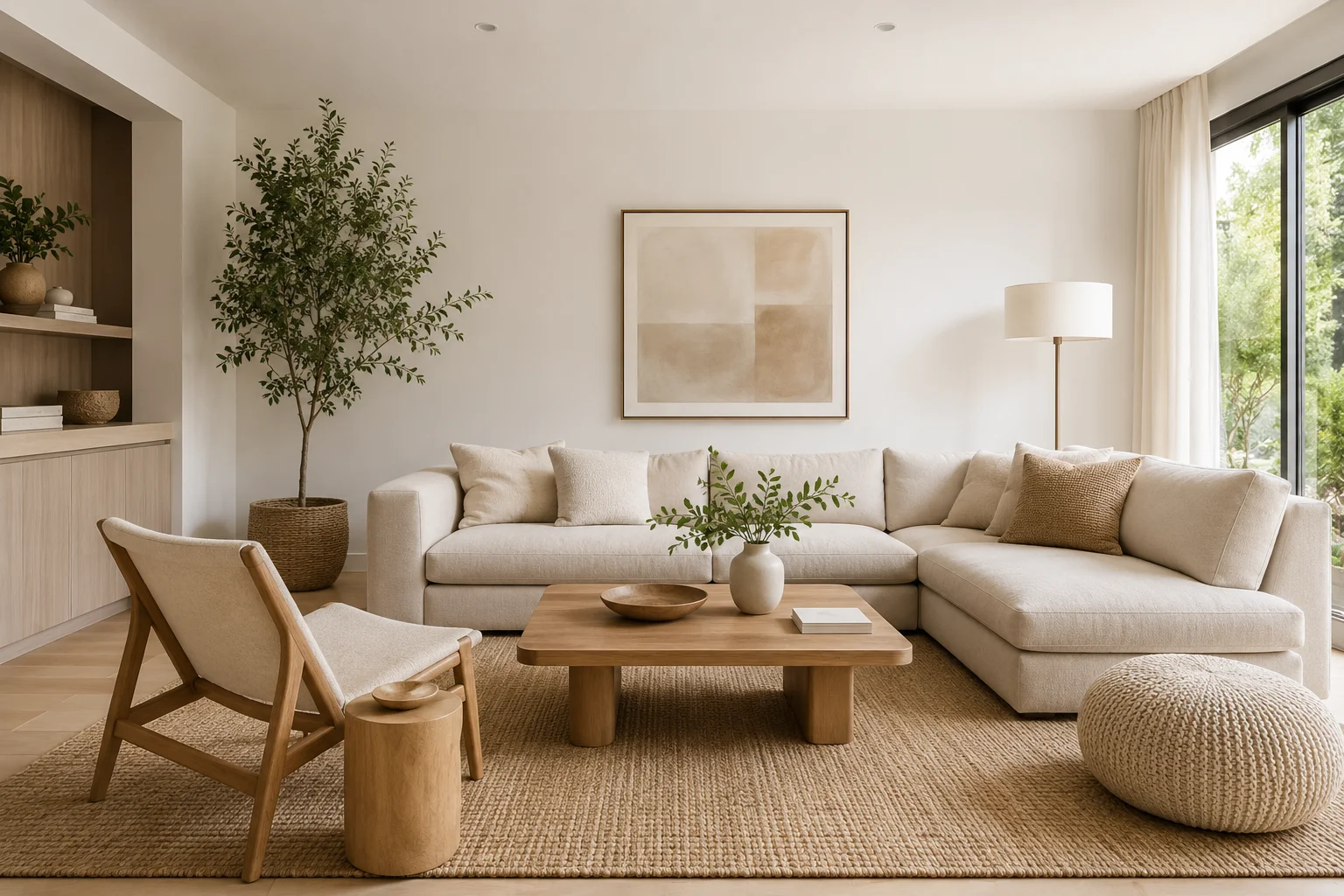
1. Neutral Minimalist Living Room

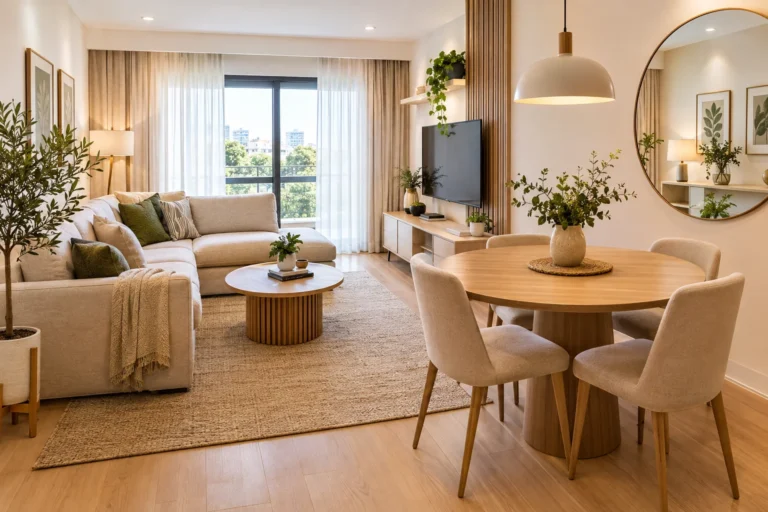
A neutral palette is one of the easiest ways to create a calm minimalist living room. Start with shades of white, beige, taupe, soft gray, or warm ivory, then layer different textures so the room does not feel flat. A simple sofa, low coffee table, and streamlined accent chair can keep the space visually clean.
When I want a room to feel relaxed without looking overly decorated, I usually let texture do most of the work. Consider adding:
- A woven area rug
- Linen or cotton cushions
- A simple ceramic vase
- Light wood furniture
The result feels polished while still being comfortable enough for everyday living.
2. Warm Beige and Cream Living Room
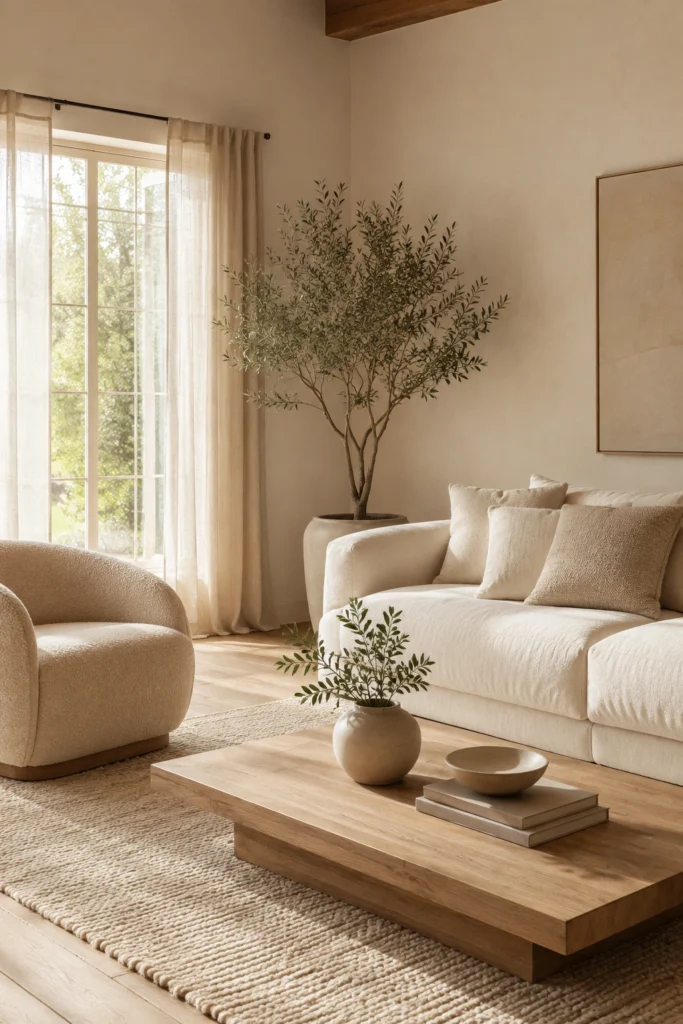
Beige and cream work beautifully together when you want minimalism with a softer, warmer personality. Use cream walls as a foundation and introduce beige through the sofa, curtains, rug, and occasional furniture. Keeping the tones close creates a smooth, cohesive look.
I especially like this combination in living rooms that receive plenty of natural light. The warm colors make the room feel welcoming throughout the day.
- Choose warm white instead of stark white.
- Mix linen, boucle, wool, and wood textures.
- Keep decorative objects limited.
- Add one or two darker accents for contrast.
3. Minimalist Living Room With a Large Sectional

A large sectional can become the main feature of a minimalist living room without making it feel cluttered. The trick is to let the sofa occupy the visual focus while keeping everything around it simple. Choose a clean-lined sectional in cream, beige, gray, or another muted shade.
In my experience, a generous sofa can actually make a room feel calmer because it eliminates the need for several smaller seating pieces. Pair it with a simple coffee table and enough open floor space to maintain balance.
- Choose streamlined cushions rather than excessive pillows.
- Keep the coffee table visually light.
- Use one large rug to define the seating area.
4. Scandinavian-Inspired Minimalist Living Room

Scandinavian design combines simplicity with warmth, making it a natural match for minimalist interiors. Think pale wood, soft neutrals, clean furniture, natural fabrics, and plenty of daylight. The room should feel practical first but still visually inviting.
I like Scandinavian-inspired spaces because they never feel overly precious. A simple wooden coffee table, comfortable sofa, woven rug, and small collection of useful accessories can create a beautiful room without filling every surface.
- Use light oak or ash furniture.
- Choose soft gray, cream, and beige.
- Add natural textiles.
- Keep windows lightly dressed to maximize daylight.
5. Japandi Minimalist Living Room
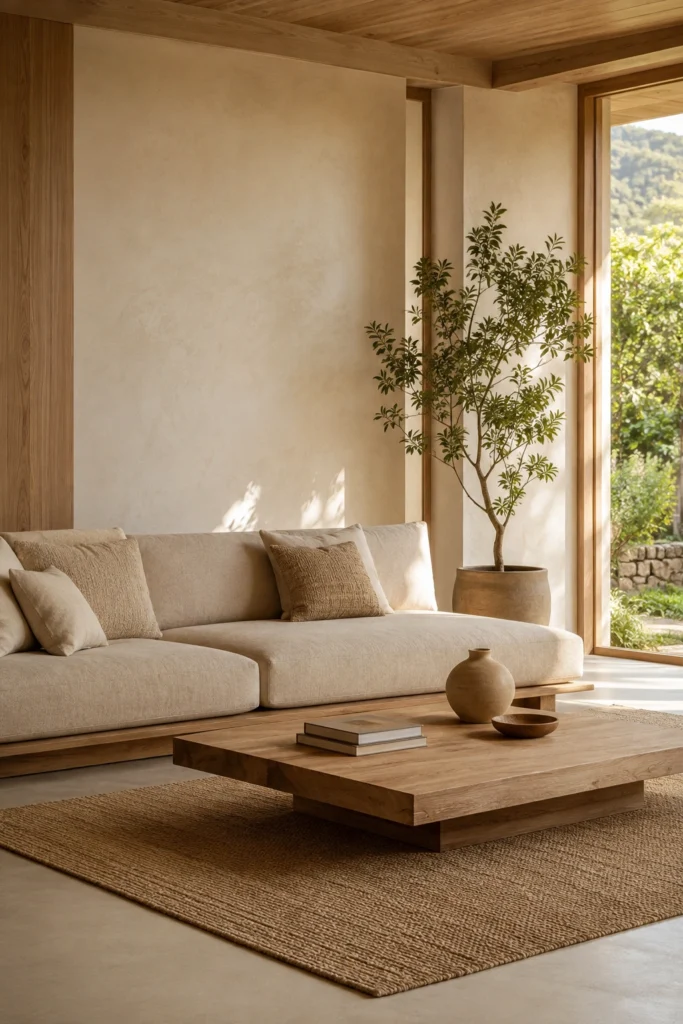
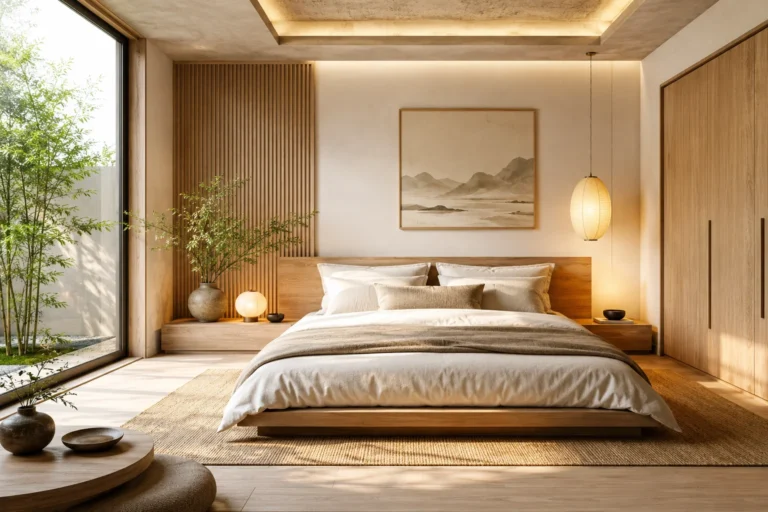
Japandi style blends Japanese simplicity with Scandinavian warmth. It works especially well when you want a minimalist living room that feels sophisticated but peaceful. Use low-profile furniture, natural wood, muted colors, and simple handmade-looking accessories.
The most important part is restraint. Instead of adding many decorative objects, choose a few pieces that have interesting shapes or textures. I find that this approach makes the room feel intentional rather than sparse.
- Try a low wooden coffee table.
- Use linen upholstery and curtains.
- Add subtle greenery.
- Keep the color palette earthy and quiet.
6. Minimalist Living Room With Natural Wood

Natural wood can instantly soften a minimalist living room. Use it through the coffee table, media console, shelving, side tables, or exposed architectural details. Light and medium wood tones work particularly well with warm white walls and neutral upholstery.
I often recommend wood when a minimalist room starts feeling too plain. It introduces warmth without adding visual clutter. You can also combine wood with stone, linen, wool, or ceramic accents for a more layered look.
- Choose furniture with simple silhouettes.
- Mix wood with soft neutral fabrics.
- Avoid using too many competing wood tones.
- Add one organic decorative element.
7. Cozy Minimalist Living Room With Soft Textiles

Minimalism becomes much more inviting when you introduce soft textiles. A plush rug, knitted throw, linen cushions, and comfortable upholstery can make a simple room feel wonderfully cozy.
This is one of my favorite approaches for family living spaces because it keeps the room uncluttered without sacrificing comfort. Instead of decorating with more objects, use texture to create interest.
- Layer a soft rug beneath the seating.
- Add one chunky throw.
- Choose curtains with natural movement.
- Mix two or three complementary fabric textures.
The room will feel warm while maintaining a clean appearance.
8. Minimalist Living Room With Floor-to-Ceiling Windows

Floor-to-ceiling windows can become the decoration in a minimalist living room. When you have a beautiful outdoor view, avoid competing with it. Keep furniture simple and choose curtains in a soft neutral shade.
Natural light also makes minimalist interiors feel more spacious. I would keep the area around the windows open so sunlight can travel freely through the room.
- Choose low-profile furniture.
- Use simple window treatments.
- Keep the window area free of unnecessary accessories.
- Position seating to enjoy the view.
9. Small Minimalist Living Room
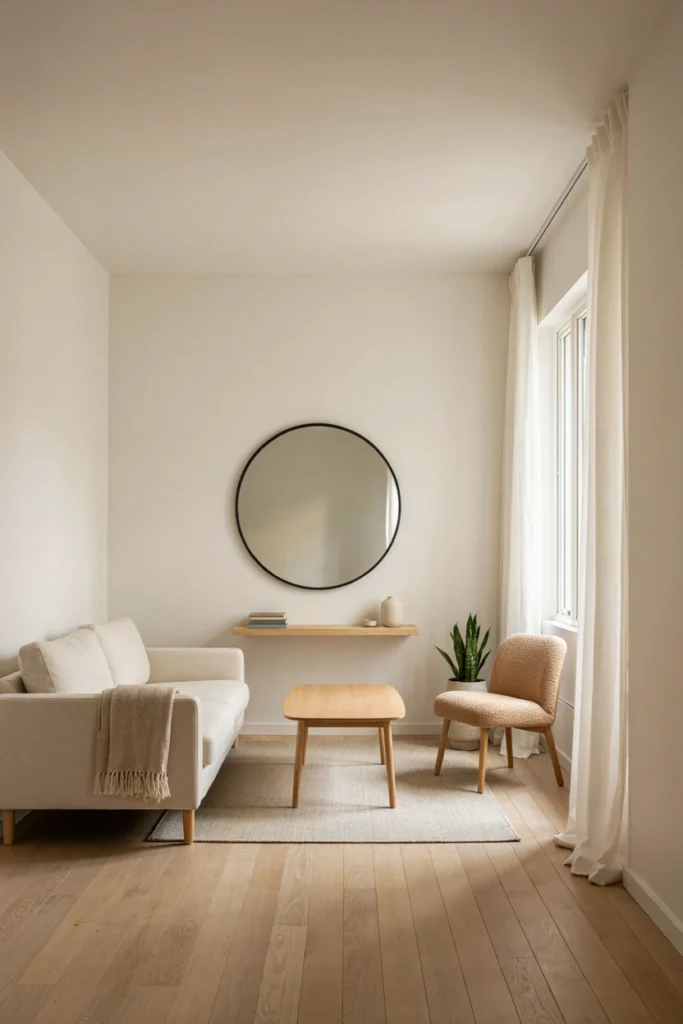
A small living room benefits enormously from minimalist planning. Instead of trying to fit everything into the space, select furniture that serves a clear purpose. A compact sofa, slim coffee table, wall-mounted storage, and small accent chair can provide everything you need.
I have found that open floor space matters just as much as furniture size. A room can feel surprisingly spacious when you avoid blocking pathways.
- Choose furniture with visible legs.
- Use multifunctional pieces.
- Keep the floor visually open.
- Prefer fewer large accents over many small decorations.
10. Minimalist Living Room With a Statement Sofa
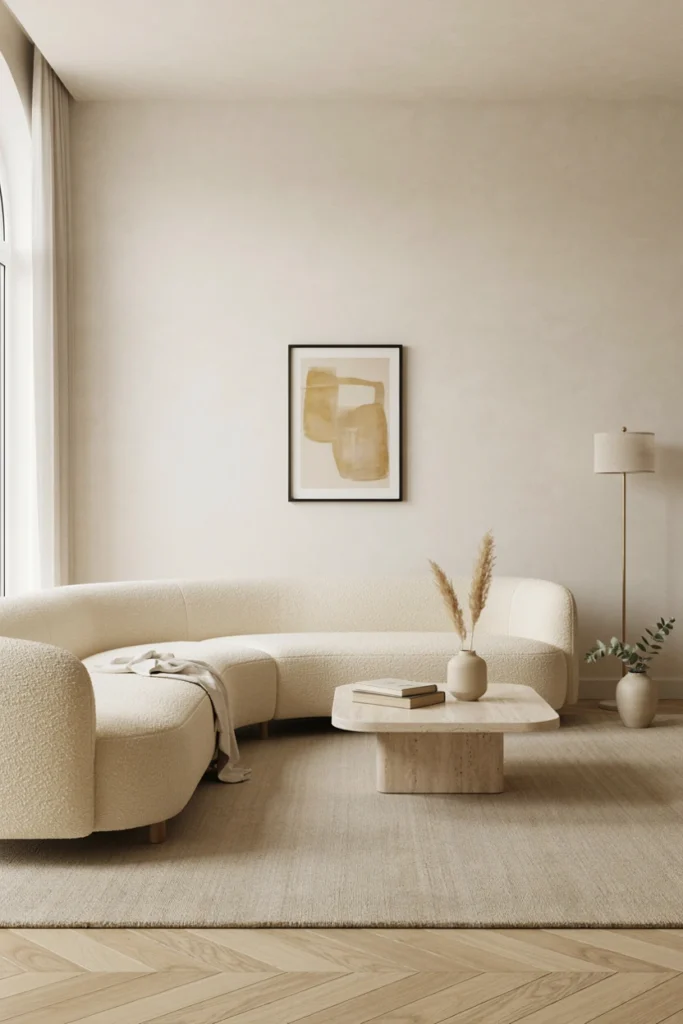
A statement sofa can give a minimalist room plenty of personality. Choose an interesting silhouette, rich texture, or subtle color, then allow the rest of the room to remain understated.
This approach works especially well when you want the space to feel stylish without adding lots of artwork or accessories. I would let the sofa act as the focal point and repeat one of its tones elsewhere in the room.
- Try a curved or sculptural sofa.
- Keep surrounding furniture simple.
- Use a neutral rug.
- Add only a few complementary accessories.
11. White Minimalist Living Room

A white living room can feel incredibly fresh when you balance different shades and textures. Rather than using one flat white everywhere, combine warm white walls with cream upholstery, light wood, woven materials, and subtle gray accents.
I prefer warm whites because they create a softer atmosphere than extremely bright cool whites. Natural light will also change the appearance of the room throughout the day, giving the space gentle variation.
- Mix several white and cream tones.
- Introduce natural wood.
- Use textured fabrics.
- Add one darker accent for definition.
12. Earth-Tone Minimalist Living Room

Earth tones bring warmth and character to minimalist spaces. Think terracotta, olive green, sand, clay, warm brown, and muted taupe. Use these shades sparingly against a neutral background for a grounded look.
This is a great option when you want your minimalist living room to feel connected to nature. I especially like combining earthy colors with wood and natural stone.
- Start with a neutral base.
- Add one or two earthy accent colors.
- Use natural materials wherever possible.
- Keep patterns subtle.
13. Minimalist Living Room With Floating Shelves
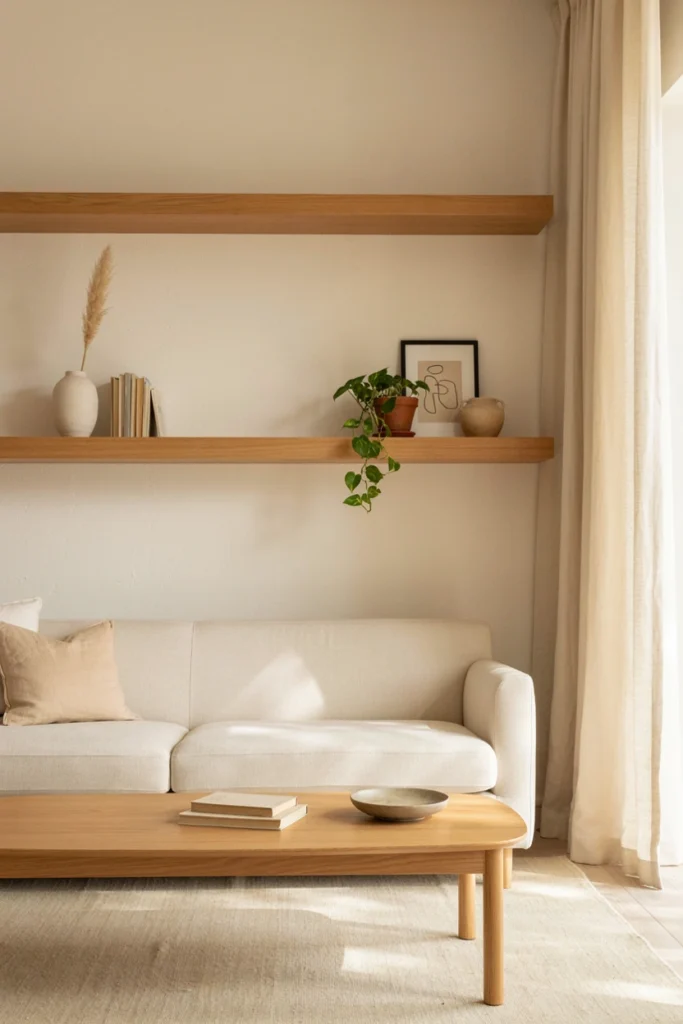
Floating shelves provide useful storage and display space without making the walls feel heavy. Install one or two shelves and style them with a carefully selected collection rather than filling every inch.
I find that negative space makes floating shelves look much more sophisticated. Leave generous gaps between objects and combine practical items with decorative pieces.
- Display a few favorite books.
- Add one ceramic vase.
- Include a small plant.
- Leave some shelf space empty.
14. Minimalist Living Room With a Simple Fireplace
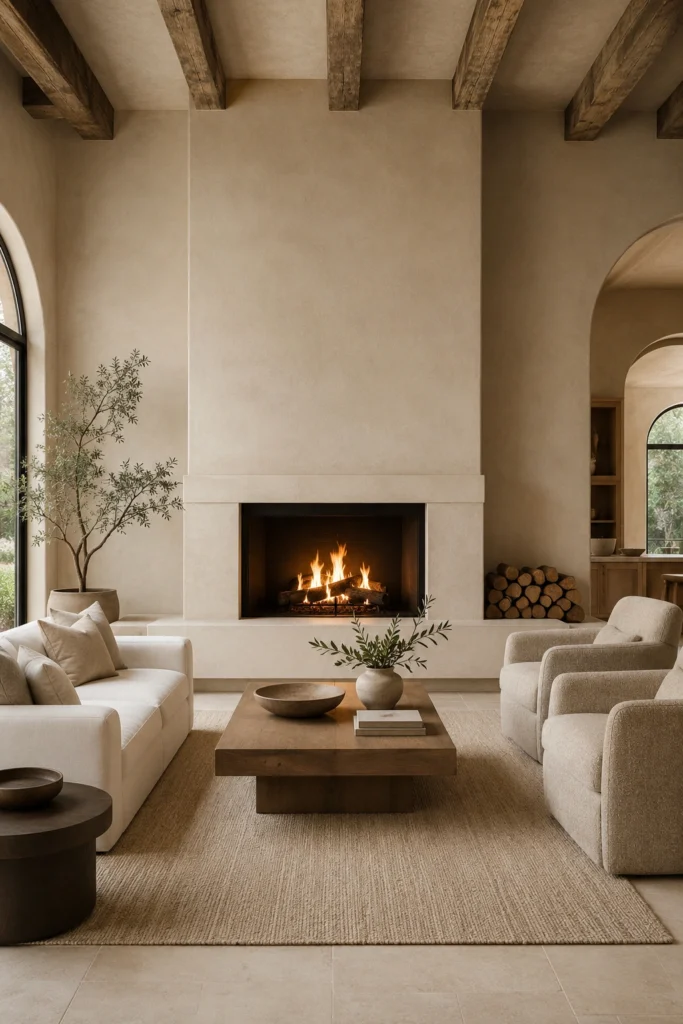
A simple fireplace can create a strong focal point without overwhelming a minimalist living room. A smooth plaster, stone, or concrete surround works beautifully with streamlined furniture and neutral colors.
If the fireplace already has architectural presence, you do not need much decoration around it. I would keep the mantel nearly empty and allow the fireplace itself to anchor the room.
- Use simple materials.
- Keep mantel decor minimal.
- Position seating toward the fireplace.
- Add a soft rug for warmth.
15. Modern Black-and-White Minimalist Living Room
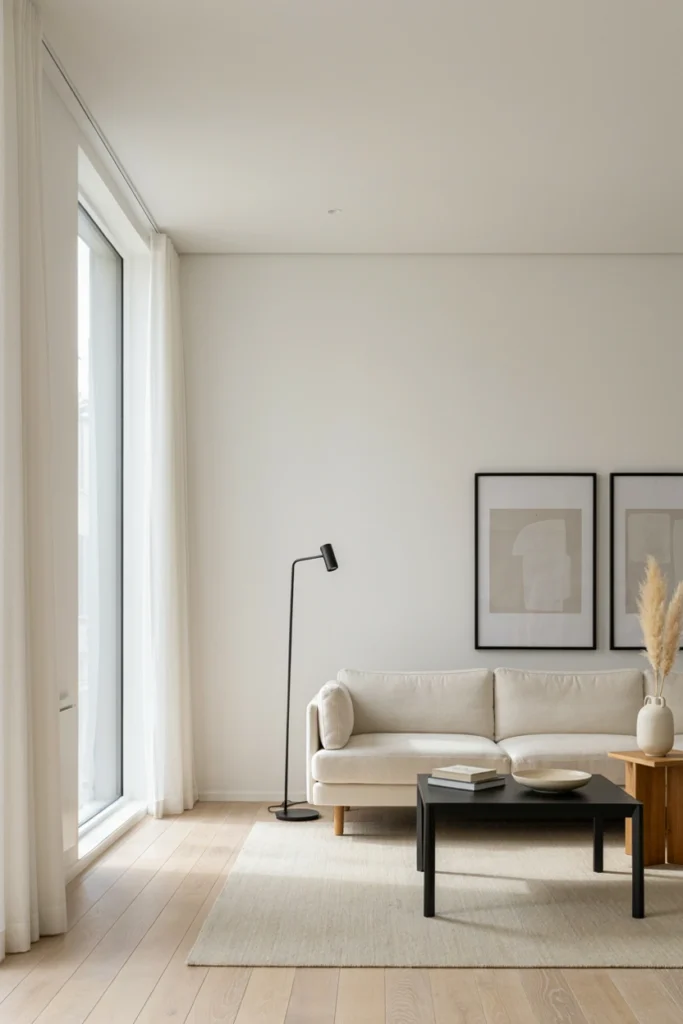
Black and white create a crisp, timeless minimalist combination. Use white as the dominant color and introduce black through lighting, furniture legs, frames, tables, or small accessories.
The key is balance. Too much black can make the room feel heavy, while too little may make the contrast disappear. I like adding natural wood or warm textiles to soften the overall effect.
- Keep most surfaces light.
- Use black as an accent.
- Add warm wood where possible.
- Choose simple geometric forms.
16. Minimalist Living Room With Layered Rugs

Layered rugs can add depth without filling the room with accessories. Place a larger neutral rug underneath a smaller textured or patterned rug to define the main seating area.
This technique works particularly well in large rooms where a single rug can look undersized. I recommend keeping the colors related so the layers feel intentional rather than busy.
- Start with a large neutral base rug.
- Add one smaller textured rug.
- Keep patterns subtle.
- Make sure furniture sits securely on the rugs.
17. Minimalist Living Room With Greenery

Plants bring life into a minimalist room while keeping the decoration natural. One large plant beside the sofa or a small collection of plants on a shelf can add just enough color and movement.
I prefer choosing plants with interesting shapes rather than filling the room with greenery. A single sculptural plant can have more impact than several small pots.
- Try a tall indoor tree.
- Use simple ceramic planters.
- Place plants near natural light.
- Avoid overcrowding surfaces.
18. Minimalist Living Room With Soft Ambient Lighting
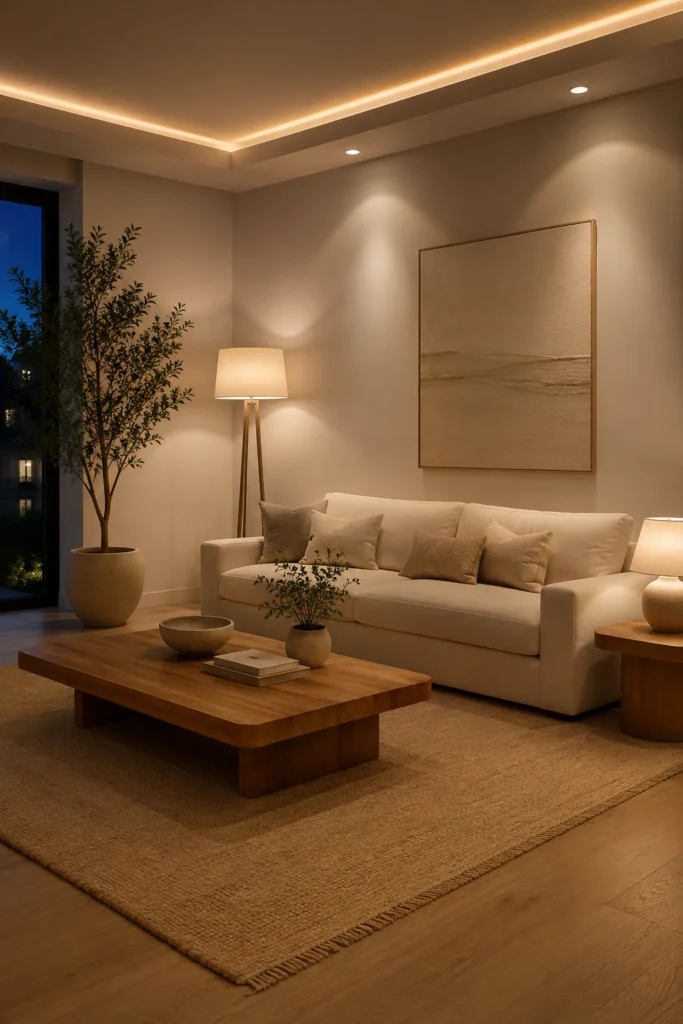
Lighting can completely change how a minimalist living room feels in the evening. Instead of relying on one bright ceiling light, combine a floor lamp, table lamp, wall light, or concealed lighting to create softer layers.
I always think warm lighting makes minimalist interiors feel more comfortable after sunset. Choose fixtures with simple forms so they complement the clean design.
- Use warm-toned bulbs.
- Add lighting at different heights.
- Choose sculptural but simple fixtures.
- Keep cords and visual clutter hidden.
19. Minimalist Living Room With a Gallery Wall
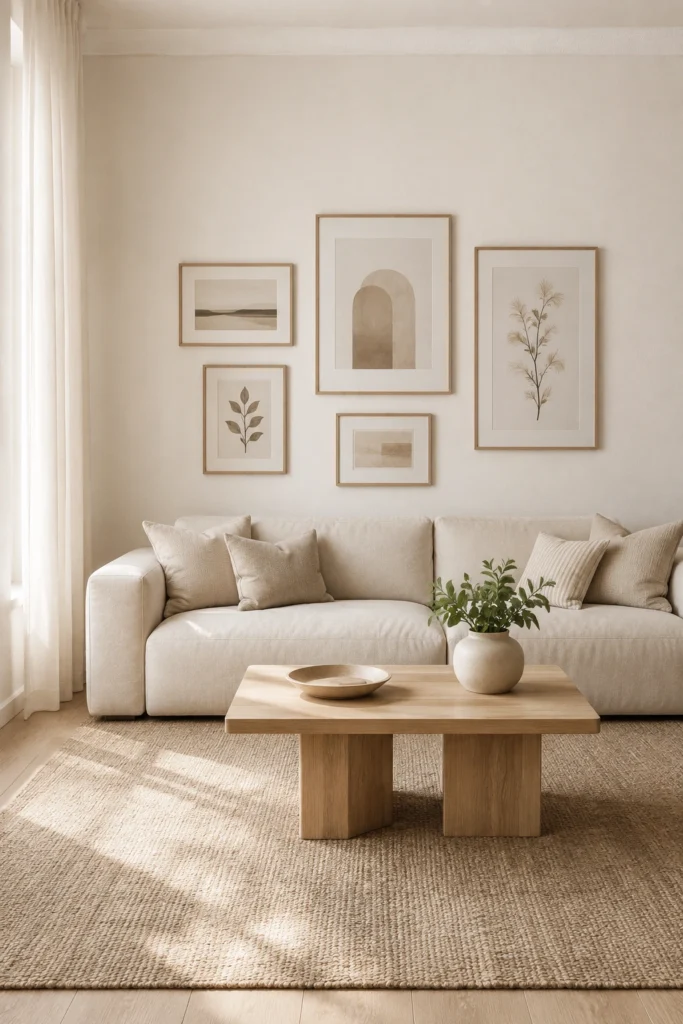
A gallery wall can work in a minimalist living room if you keep the arrangement controlled. Choose artwork with a related color palette and consistent framing, then leave plenty of surrounding wall space.
Rather than covering an entire wall, create a focused arrangement above the sofa or console. I like using three to five meaningful pieces instead of a large collection.
- Stick to a limited palette.
- Keep frames visually consistent.
- Use generous spacing.
- Choose artwork that complements the room.
20. Minimalist Living Room With Built-In Storage

Built-in storage is one of the smartest ways to maintain a clutter-free minimalist living room. Custom cabinets can hide electronics, books, toys, and everyday items while keeping the room visually calm.
If you are planning a renovation, I would prioritize storage that blends into the architecture. Flat-front cabinetry in the same tone as the wall can almost disappear when closed.
- Use closed cabinets for everyday clutter.
- Include open niches for selected decor.
- Hide cables and electronics.
- Match cabinetry to the room’s palette.
21. Minimalist Living Room With Curved Furniture

Curved furniture can soften the straight lines often associated with minimalist design. A rounded sofa, circular coffee table, curved armchair, or softly shaped lamp can introduce movement without making the room busy.
I especially like curved furniture in contemporary spaces because it makes the room feel more relaxed and welcoming. Keep the rest of the furniture simple so the curves remain noticeable.
- Try a rounded coffee table.
- Choose one curved statement piece.
- Balance curves with straight architectural lines.
- Keep colors restrained.
22. Minimalist Living Room With Textured Walls

Textured walls can give a minimalist room architectural interest without requiring lots of decoration. Limewash, plaster, subtle paneling, microcement, or textured wallpaper can create depth while maintaining a simple appearance.
This is a useful solution when you want personality without adding shelves, artwork, or accessories. I would choose one main textured wall and keep the remaining surfaces quiet.
- Use subtle texture rather than busy patterns.
- Keep the color close to the surrounding walls.
- Let natural light highlight the surface.
- Pair textured walls with simple furniture.
23. Minimalist Living Room With a Cozy Reading Corner
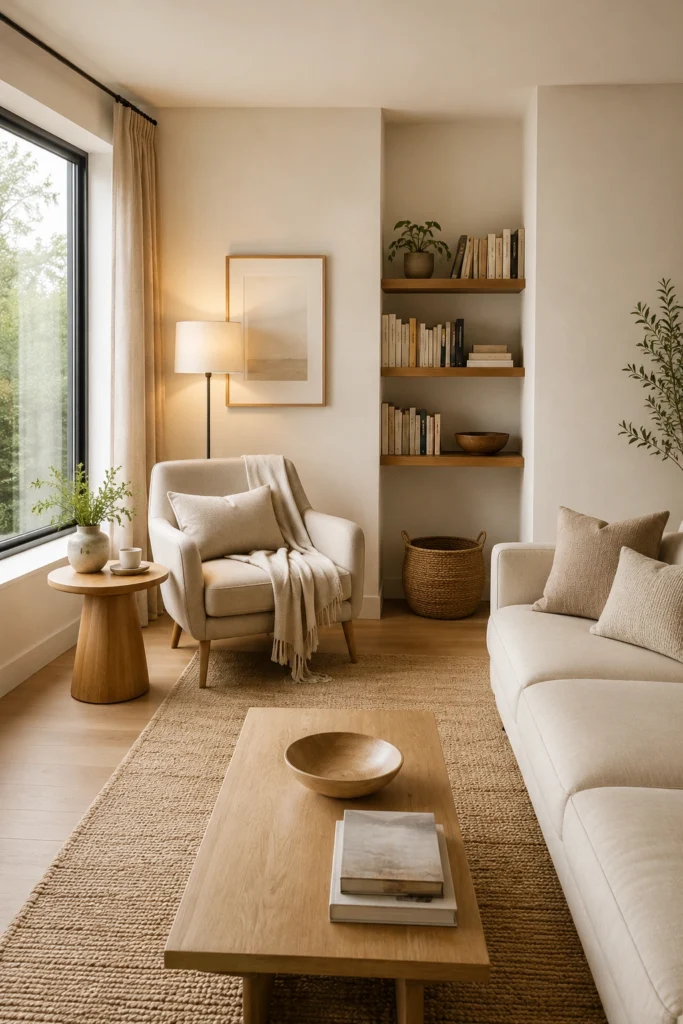
A small reading corner can make a minimalist living room feel more personal. Place a comfortable armchair near a window, add a slim side table, and finish it with a floor lamp and soft throw.
You do not need a large area. Even an unused corner can become a welcoming retreat when you choose pieces that fit the scale of the room.
- Add a comfortable lounge chair.
- Include a small side table.
- Use a warm floor lamp.
- Keep books neatly arranged.
24. Luxury Minimalist Living Room

Luxury minimalism focuses on quality, proportion, and beautiful materials rather than excessive decoration. Think tailored sofas, natural stone, elegant lighting, refined wood, and carefully selected artwork.
When I want a minimalist space to feel expensive, I focus less on adding things and more on choosing pieces with strong materials and clean craftsmanship. A few well-chosen details can create much more impact than a crowded room.
- Choose high-quality natural materials.
- Use sophisticated neutral colors.
- Invest in one statement light fixture.
- Keep accessories carefully edited.
25. Minimalist Living Room With a Clutter-Free Layout
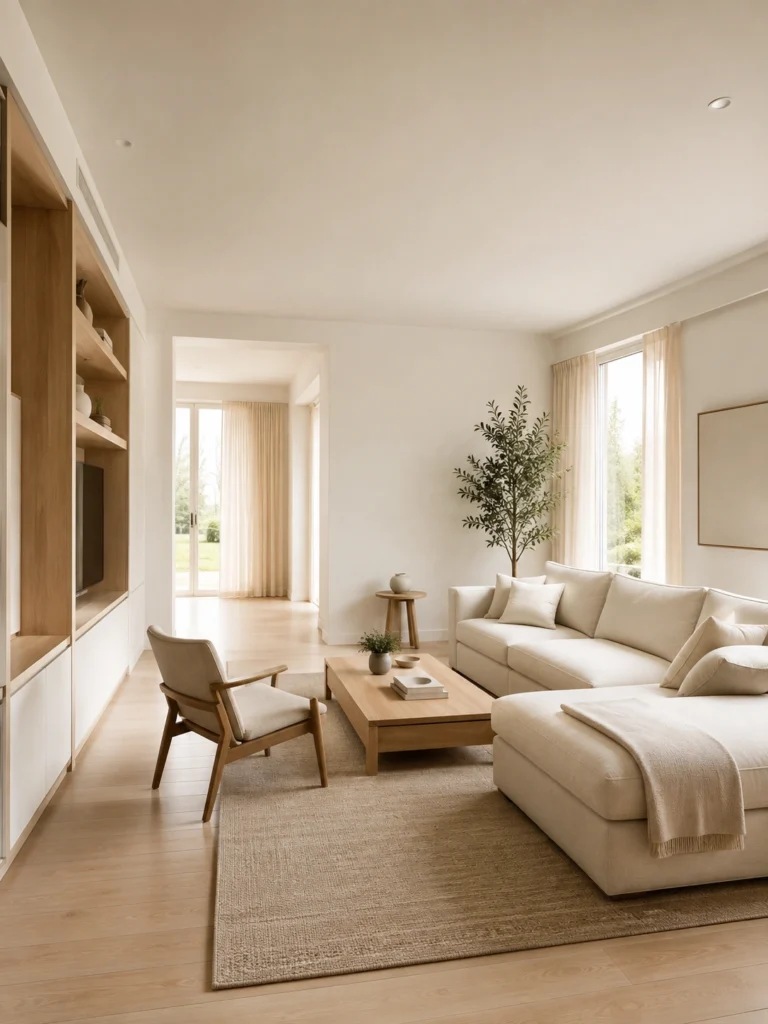
The foundation of good minimalism is a thoughtful layout. Give every piece of furniture enough breathing room and make sure walking paths remain clear. Avoid placing furniture simply because an empty corner feels like it needs something.
This approach often makes the biggest difference in how peaceful a living room feels. Before buying another decorative item, I recommend stepping back and asking whether the room actually needs it.
- Keep pathways open.
- Group furniture around a clear purpose.
- Remove unused pieces.
- Give important furniture enough visual space.
Tips for Creating a Calm and Cozy Minimalist Living Room
Start by deciding what you actually use in the room. A living room should support everyday life, not simply look beautiful in photographs. Once you know what needs to stay, remove unnecessary furniture and accessories.
Then build the room around comfort, light, and texture. Minimalism works best when the room feels intentional rather than empty.
- Choose a simple color palette.
- Invest in comfortable seating.
- Add natural textures.
- Keep surfaces mostly clear.
- Use rugs and curtains to soften the space.
- Include a few meaningful decorative pieces.
- Create practical hidden storage.
How to Choose Colors for a Minimalist Living Room
Start with one main neutral shade, then introduce one or two supporting colors. Warm white, beige, cream, taupe, soft gray, and greige are reliable choices. If you prefer more personality, add muted olive, terracotta, brown, or charcoal.
I recommend testing paint samples in both morning and evening light. A color that looks perfect during the day can appear completely different at night.
Keep the palette controlled by repeating the same tones across furniture, textiles, walls, and accessories. This creates visual harmony without requiring everything to match perfectly.
How to Make a Minimalist Living Room Feel Cozy
The easiest way to make minimalism feel cozy is to focus on texture. Soft rugs, linen curtains, knitted throws, cushions, wood, and warm lighting can add comfort without creating visual clutter.
Comfortable furniture also matters. A beautiful minimalist sofa is not useful if nobody wants to sit on it.
Think about how the room feels at different times of day. Add warm lamps for evening, keep the seating inviting, and introduce natural elements such as wood and greenery.
Final Thoughts
A minimalist living room should make daily life feel easier, not restrict it. The most successful spaces combine clean lines with comfortable furniture, warm textures, natural materials, and enough personality to feel like home.
You do not need to remove everything to create a minimalist room. Instead, choose what matters, give each piece room to breathe, and let simplicity create the calm atmosphere you want.
Frequently Asked Questions
What colors work best for a minimalist living room?
Warm white, cream, beige, taupe, greige, soft gray, and earthy neutrals work especially well. You can also add muted olive, terracotta, brown, or charcoal as accents. The goal is to create a limited palette that feels cohesive rather than using many unrelated colors.
How do I make a minimalist living room feel cozy?
Add softness through rugs, curtains, cushions, throws, and comfortable upholstery. Natural wood, warm lighting, greenery, and tactile fabrics can also make the room feel inviting. You can keep the decoration simple while still creating plenty of warmth.
What furniture should I choose for a minimalist living room?
Look for furniture with clean silhouettes, comfortable proportions, and practical functions. Choose a sofa that fits the room properly, a simple coffee table, useful storage, and one or two accent pieces. Avoid buying furniture simply to fill empty areas.
How can I decorate a minimalist living room without making it feel empty?
Use texture, proportion, and a few meaningful accents instead of adding lots of objects. A large rug, textured curtains, natural wood, one piece of artwork, a plant, and warm lighting can create plenty of visual interest while keeping the room clean.
Is minimalist decor good for small living rooms?
Yes. Minimalist design can work particularly well in small living rooms because it prioritizes useful furniture and open floor space. Choose appropriately scaled pieces, use multifunctional storage, keep pathways clear, and avoid overcrowding the room with decorative objects.